| Cat # | Size | Price | Quantity | |
|---|---|---|---|---|
| 606801 | 25 μg | $300 | ||
| 606802 | 100 μg | $785 |
| Application | ELISA, BLI |
|---|---|
| Format | Liquid, Purified |
| Expression Host | CHO |
| Target Name | Andes virus glycoprotein Gn Head, Andes virus Gn protein, ANDV Gn glycoprotein, Andes orthohantavirus glycoprotein Gn, Hantavirus envelope glycoprotein Gn, G1 glycoprotein |
| Species | Andes Virus |
| accession number | AF291703.2 |
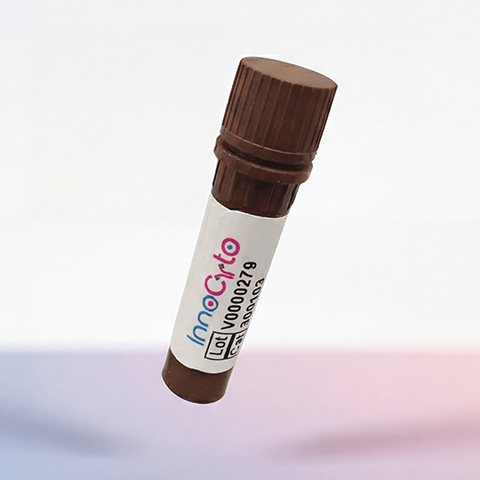
| Sources | Recombinant Andes Virus Glycoprotein Gn Head (Met19–Glu374) with a C-terminal histidine tag is expressed in CHO cells. The protein is derived from the Andes virus strain Chile-9717869. |
| Molecular Weight | This protein has a predicted molecular weight of 39–41 kDa (without glycosylation). |
| Affinity Tag | C-His |
| Purity | >95% based on SDS-PAGE under reducing condition |
| Regulatory Status | RUO |
| Formulation | 1xPBS buffer, pH7.4, 0.22 µm filtered |
| Endotoxin level | Not tested |
| Protein Concentration | 25µg size is bottled at 0.2mg/mL concentration. 100 µg size is supplied at a lot-specific concentration. |
| Storage and Handling | Briefly centrifuge the vial upon receipt. An unopened vial can be stored at 4°C for up to 2 weeks, or at -20°C or below for up to six months. The protein may be further diluted to 0.1 mg/mL using 0.22 µm-filtered PBS buffer (pH 7.4). For long-term storage, the diluted stock solution should be aliquoted and stored at ≤ –70°C to minimize freeze-thaw cycles. If additional dilution is required, carrier proteins such as FBS or BSA should be added to maintain protein stability. |
| Research Areas | Hantavirus, Infectious Diseases |
Andes virus (ANDV) is an enveloped negative-sense RNA virus belonging to the genus Orthohantavirus within the family Hantaviridae. Andes virus is one of the major causative agents of hantavirus cardiopulmonary syndrome (HCPS) in South America and is notable for its documented human-to-human transmission capability.
The viral surface glycoprotein precursor (GPC) is proteolytically processed into the Gn and Gc envelope glycoproteins, which mediate viral attachment, host-cell entry, membrane fusion, and immune recognition. The Gn head domain is highly exposed on the virion surface and serves as a major target for neutralizing antibodies. Recombinant Andes Virus Gn Head Protein is widely used in antiviral antibody discovery, vaccine research, serological assay development, epitope mapping, and structural biology studies.
Learn more about Andes Virus in our detailed Infographic.
Andes Virus Glycoprotein Gn Head (C-His) TDS
Andes Virus Glycoprotein Gn Head Neutralizing Antibody, Clone ANDVAB
Andes Virus Glycoprotein Gn Head Neutralizing Antibody, Clone ANDVBB
Andes Virus Glycoprotein Gn/Gc Neutralizing Antibody, Clone ANDVCB
Andes Virus Glycoprotein Gn Ectodomain Neutralizing Antibody, Clone ANDVDB
Andes Virus Glycoprotein Gn Ectodomain Neutralizing Antibody, Clone ANDVEB
Andes Virus Glycoprotein Gn Head/Gc Complex (C-His)
Andes Virus Glycoprotein Gn Head/Gc (H953F) Complex (C-His)
Andes Virus Gn Base Protein (C-His)
Have a product or application question? Consult our FAQs or contact us.