At InnoCyto, we’re dedicated to empowering scientific discovery through precision cell analysis. Our Technical Notes offer in-depth guidance, experimental insights, and practical applications designed to help researchers unlock complex cellular data with confidence. From optimizing assay design to enhancing data interpretation, these notes capture the expertise and innovation behind InnoCyto’s cytometry solutions—helping you achieve reproducible, high-impact results in every experiment.

This technical note introduces the essential systems, signals, and analysis concepts behind flow cytometry. Rather than focusing on advanced applications, the goal is to build a practical mental framework that beginners can use to design experiments, recognize good data, and troubleshoot common problems.

This whiteboard video introduces beginners to a systematic framework for multicolor flow cytometry panel design, emphasizing alignment of the biological question, instrument configuration, and fluorophore properties. Learn the step-by-step workflow—from defining biological objectives and ranking markers to matching fluorophore brightness, minimizing spectral overlap, and implementing proper controls—to generate reproducible, high-quality data.

This technical note outlines the key principles of flow cytometry sample preparation, including strategies for maintaining cell viability, preventing clumping, optimizing staining conditions, and preparing samples for acquisition.

This infographic is designed as a quick-reference guide to help you diagnose and resolve common issues in conventional flow cytometry experiments. It walks you through five of the most frequent challenges and breaks each problem down into likely causes and practical fixes. Use this guide as a bench-side companion or a quick diagnostic tool to improve your flow cytometry workflows.

Strong experimental controls are the cornerstone of reliable flow cytometry, enabling clear separation of true biological signal from background noise. This tech note outlines essential control types and best practices that support accurate gating, minimize variability, and ensure reproducible results across experiments. By integrating robust controls with standardized workflows, researchers can confidently generate high-quality, interpretable data.
Learn about five common methods for detecting CAR expression in CAR-T cells and understand the critical difference between structural and functional detection. This educational video compares Protein L, anti-idiotype antibodies, linker/tag antibodies, qPCR/ddPCR, and fluorescent protein ligands—explaining when to use each method and why functional validation matters for CAR-T manufacturing quality control.

Nonspecific background — from Fc receptor binding, autofluorescence, tandem dye artifacts on monocytes, and poor compensation — can quietly distort even a well-designed flow cytometry panel, masking rare populations and undermining reproducibility. This tech note breaks down the major sources of background signal and outlines proven, practical strategies, from Fc and monocyte blocking to viability staining and panel design, for recovering clean, defensible data.

Learn about the emerging field of bispecific antibodies that simultaneously target both immune checkpoint pathways (PD-1/PD-L1) and angiogenesis (VEGF), representing a major advancement in cancer immunotherapy. While traditional checkpoint inhibitors and anti-angiogenic therapies have shown limited individual success rates (20-40% response in most solid tumors), combining these mechanisms into single bispecific molecules offers synergistic benefits by both enhancing immune response and normalizing tumor vasculature. A number of pivotal clinical trials are underway in non-small cell lung cancer alone, highlighting the significant momentum behind this therapeutic revolution.

This Technical Note highlights ten reasons to use biosimilar antibodies in research beyond cost savings. Biosimilars offer strong quality control, batch-to-batch consistency, defined binding properties, and validation across multiple applications. They also provide reliable supply, technical support, and translational relevance to therapeutic antibodies. The document recommends validation testing, protocol optimization, and clear reporting in publications. Biosimilar antibodies are accessible, standardized research tools that improve reproducibility, efficiency, and reliability in biomedical and translational studies.

This technical note provides a foundational overview of immune checkpoint biology, covering key regulatory molecules such as PD-1, PD-L1, CTLA-4, and LAG-3, alongside their roles in immune tolerance and cancer immune evasion. It also highlights current immunotherapy applications and emerging targets shaping the next generation of checkpoint-based treatments, making it a valuable primer for researchers at any stage of their work in this field.

Bispecific and trispecific T cell and NK cell engagers are redefining cancer immunotherapy by physically bridging immune effector cells to tumor targets, driving approved therapies like blinatumomab and teclistamab while pioneering next-generation formats such as PD-1/VEGF-A bispecifics and logic-gated constructs. This Technical Note details these engager platforms and related emerging therapies, and highlights how InnoCyto's antibody portfolio supports research across this fast-evolving field.
Cancer immunotherapy now spans four mechanistically distinct strategies—BiTEs/TriTEs and CAR-T redirect T/NK cells to kill tumors, ADCs deliver cytotoxic payloads directly via antibody targeting, and checkpoint inhibitors release the brakes on a patient's own pre-existing anti-tumor T cells. This tech note's 14-dimension comparison table lets clinicians and researchers instantly weigh each approach's trade-offs (e.g., manufacturing burden, toxicity, durability, and combinability) to identify which modality—or combination—best fits a given tumor type and treatment goal.

This technical note explores how InnoCyto's purified and fluorescence-labeled recombinant proteins serve as essential tools across the cancer immunotherapy research pipeline, from antibody discovery and epitope mapping to flow cytometry-based functional assays and bispecific antibody validation. It highlights the unique dual role these proteins play as both immune checkpoint targets and enabling reagents, with practical guidance on format selection for applications spanning binding kinetics, cellular studies, and structural characterization.
Beyond checkpoint blockade, three biomarkers: Claudin 18.2, Trop-2, and B7-H3, are opening new therapeutic windows across gastric, breast, urothelial, and other solid tumors. This Tech Note explores the biology behind each target and why high-selectivity antibody reagents are becoming essential tools for the next generation of oncology research.
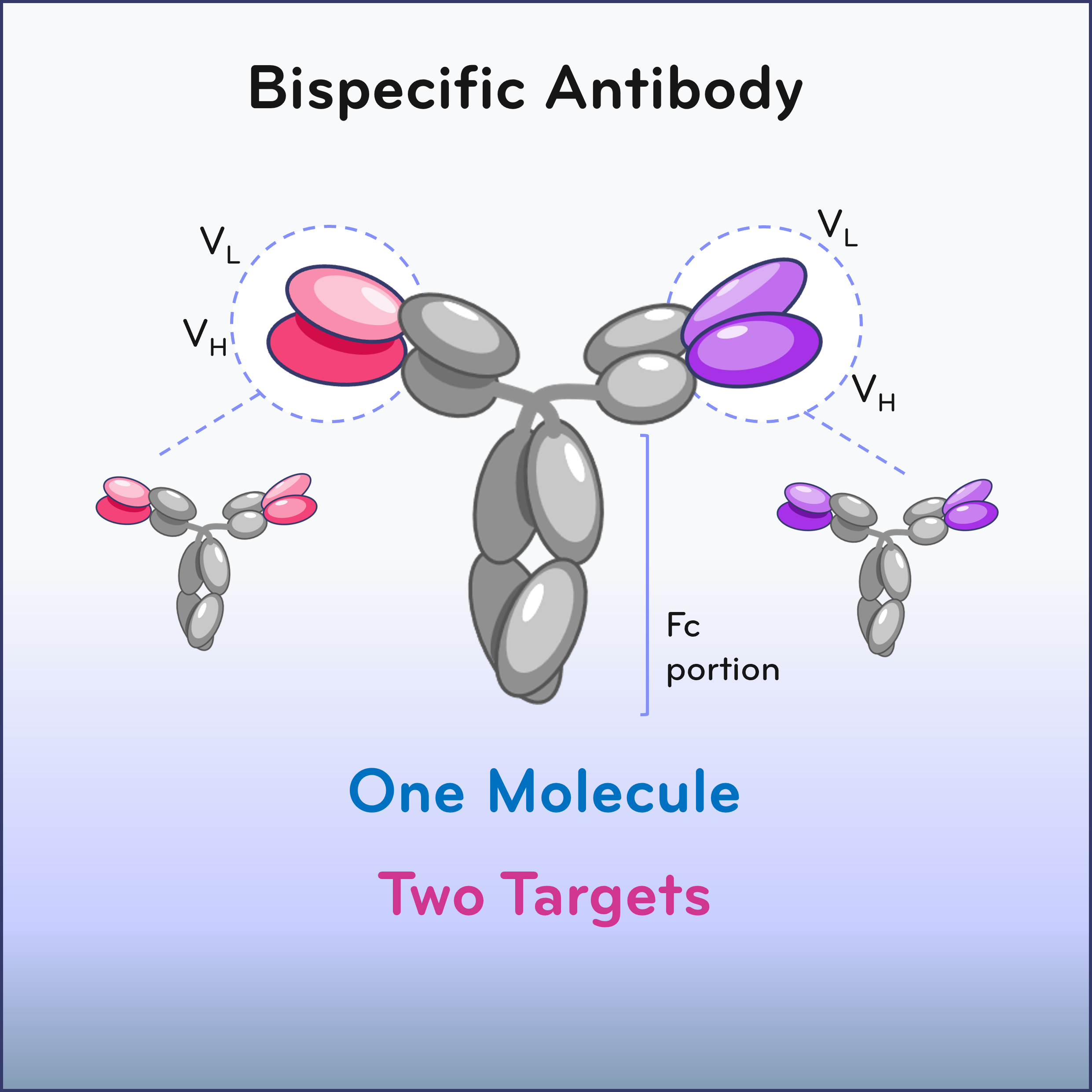
Bispecific antibodies combine two distinct binding specificities in a single molecule, allowing researchers to target complementary cancer defense mechanisms — such as immune checkpoints and tumor angiogenesis — simultaneously rather than with separate agents. This video explores the mechanisms behind three of InnoCyto's In Vivo Star bispecific antibodies (CD370/PD-L1, PD-1/VEGF-A, and PD-L1/VEGFR2) and the growing therapeutic rationale for single-molecule, multi-target design in oncology research.

Uncover the biology behind one of the world's most lethal respiratory viruses — the Andes virus kills up to 40% of those it infects, spreads person-to-person, and has no approved treatment or vaccine. This in-depth visual infographic breaks down exactly how ANDV hijacks your cells, how it spreads, and what scientists are racing to do about it.
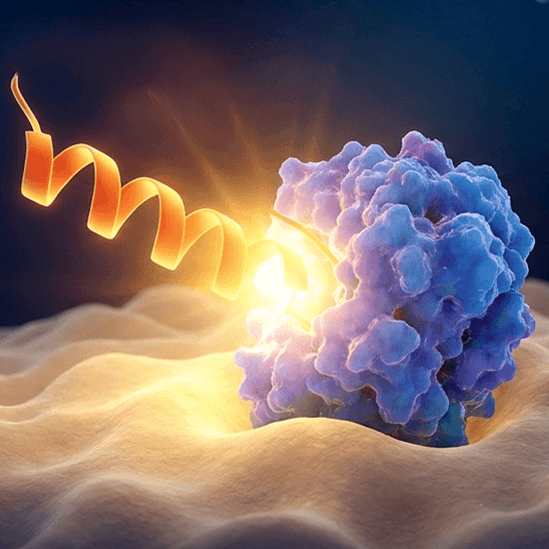
Discover how three precise molecular modifications transformed a fragile, two-minute hormone into semaglutide, a once-weekly therapeutic — and how nature had already engineered a DPP-4-resistant solution millions of years earlier in the saliva of the Gila monster. This Tech Note breaks down the bioconjugation and half-life extension strategies behind semaglutide's design, drawing direct parallels to the site-specific engineering principles used in antibody and protein therapeutics.
Contact an expert for more detailed support.