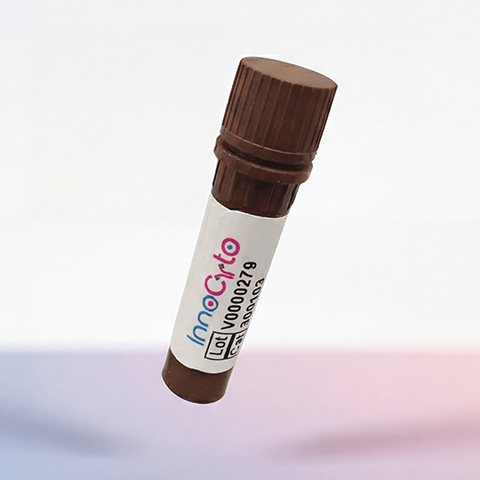
| Cat # | Size | Price | Quantity | |
|---|---|---|---|---|
| 502401 | 1 mg | $250 | ||
| 502402 | 5 mg | $750 | ||
| 502403 | 20 mg | $1800 |
| Clone | Efalizumab |
|---|---|
| Application | Flow cytometry, animal model study |
| Host Species | Mammalian cells |
| Reactivity | Human |
| Format | Liquid |
| Product Description | Anti-Human CD11a (Efalizumab Biosimilar) |
| Isotype | Human IgG1 |
| Regulatory Status | RUO |
| Clonality | Recombinant |
| Immunogen | Human CD11a |
| Species specificity | Human |
| Purity | >95% by reducing SDS-PAGE |
| Grade | In vivo |
| Storage Conditions | 4ºC |
| Maximal Shelf Life | 12 months |
| Synonyms | LFA-1 |
| Target Name | CD11a, integrin alpha L (ITGAL), Ly-15, Ly-21, LFA-1 α subunit |
| Antibody Type | Recombinant |
| Research Areas | Adhesion Molecules, Autoimmunity, Inflammation, T cells, B cells, Monocytes, Macrophages, Neutrophils, Basophils, Eosinophils |
| See All Formats | Clone Efalizumab |
Efalizumab is a humanized monoclonal antibody belonging to the immunoglobulin G1 (IgG1) subclass, engineered to specifically target the α-subunit of the leukocyte function-associated antigen-1 (LFA-1) complex, known as CD11a. Structurally, Efalizumab is composed of two identical heavy chains and two identical light chains connected by interchain disulfide bonds, forming the characteristic Y-shaped antibody structure with a molecular weight of approximately 150 kilodaltons (kDa). The antibody is produced in mammalian expression systems such as Chinese Hamster Ovary (CHO) cells, ensuring proper glycosylation, folding, and assembly necessary for functional stability and activity.
The variable regions of Efalizumab, containing complementarity-determining regions (CDRs), are derived from murine sequences that confer high-affinity antigen binding, while the constant regions are of human IgG1 origin. This chimeric design maintains strong epitope specificity while improving molecular compatibility with human proteins. The CDRs form the paratope that binds specifically to CD11a, the integrin α-chain component of LFA-1, which pairs with CD18 to form a β2-integrin. By occupying this binding site, Efalizumab inhibits the interaction between LFA-1 and its natural ligand, intercellular adhesion molecule-1 (ICAM-1), located on endothelial and antigen-presenting cells. This steric blockade modulates leukocyte adhesion, migration, and costimulatory signaling, thus influencing the dynamics of T-cell activation and trafficking in experimental systems examining immune synapse formation and integrin-mediated signaling.
The Fc (fragment crystallizable) region of Efalizumab provides structural stability and prolongs serum half-life through interactions with the neonatal Fc receptor (FcRn). While IgG1 antibodies can mediate effector functions, Efalizumab was not specifically optimized for antibody-dependent cytotoxicity, as its primary action relies on receptor blockade rather than immune cell recruitment. Overall, Efalizumab exemplifies rational antibody engineering, combining precise integrin targeting with a stable immunoglobulin framework to modulate adhesion-dependent immune mechanisms in biochemical and cellular research contexts.
Anti-Human CD11a (Efalizumab Biosimilar) TDS
Anti-Mouse CD11a Antibody, Clone M17/4
iF647 Anti-Mouse CD11a Antibody, Clone M17/4
Have a product or application question? Consult our FAQs or contact us.