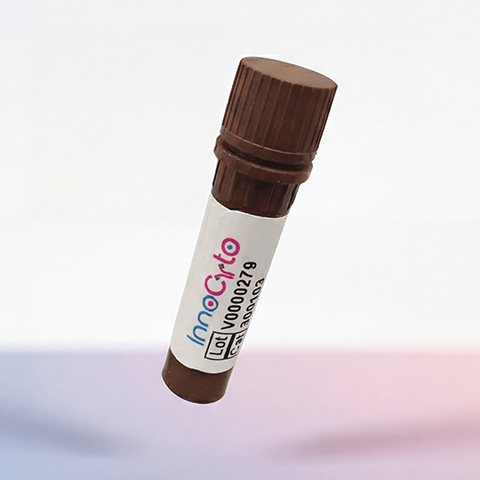
| Cat # | Size | Price | Quantity | |
|---|---|---|---|---|
| 606701 | 100 μg | $450 | ||
| 606702 | 1 mg | $2500 |
| Application | Bioassay |
|---|---|
| Format | Lyophilized from sterile PBS, pH 7.4. |
| Expression Host | HEK293 Cells |
| Target Name | Serpin A1, A1AT, AAT, PI, PRO0684, PRO2209, SERPINA1, Alpha-1-antitrypsin, Alpha-1 protease inhibitor, Alpha-1-antiproteinase, , alpha 1-Antitrypsin, alpha 1-Proteinase Inhibitor |
| Species | Human |
| accession number | NP_000286.3 |
| Sources | Recombinant Human SerpinA1 (NP_000286.3) pre-protein (Met 1-Lys 418) with a C-terminal polyhistidine tag was expressed in HEK293 cells. |
| Molecular Weight | This protein has a calculated molecular mass of 45.7 kDa. Due to glycosylation, the rhSerpinA1 migrates as an approximately 55-60 kDa protein in SDS-PAGE analysis under reducing conditions. |
| Affinity Tag | C-His |
| Purity | >95% based on SDS-PAGE under reducing condition |
| Regulatory Status | RUO |
| Endotoxin level | < 1.0 EU per μg of the protein as determined by the LAL method |
| Protein Concentration | Lyophilized |
| Storage and Handling | Samples are stable for up to twelve months from date of receipt at -20℃ to -80℃. Store it under sterile conditions at -20℃ to -80℃. It is recommended that the protein be aliquoted for optimal storage. Avoid repeated freeze-thaw cycles. |
| Research Areas | Emphysema, COPD |
Alpha-1 antitrypsin (A1AT), also known as SERPINA1 or alpha-1 protease inhibitor, is a major circulating serine protease inhibitor predominantly produced by hepatocytes and secreted into the bloodstream. A1AT plays a critical role in protecting tissues from proteolytic damage by irreversibly inhibiting a broad range of proteases, particularly neutrophil elastase. Dysregulation or genetic deficiency of A1AT is associated with the development of pulmonary emphysema, chronic obstructive pulmonary disease (COPD), liver disease, and inflammatory disorders.
In addition to its well-characterized anti-protease activity, A1AT has been reported to exhibit anti-inflammatory and immunomodulatory functions, making it an important target in respiratory disease research, inflammation biology, tissue injury studies, and therapeutic development. Recombinant Human Alpha 1 Antitrypsin protein is widely used in enzyme inhibition assays, cell culture applications, drug screening, protein interaction studies, and biomarker research.
Human Alpha 1 Antitrypsin protein (Active) TDS
Have a product or application question? Consult our FAQs or contact us.