| Cat # | Size | Price | Quantity | |
|---|---|---|---|---|
| 517901 | 1 mg | $160 | ||
| 517902 | 5 mg | $400 | ||
| 517903 | 25 mg | $1100 |
| Clone | L243 |
|---|---|
| Application | Direct ELISA, functional assay, Flow Cytometry |
| Host Species | CHO cells |
| Reactivity | Human |
| Format | Liquid |
| Target Name | HLA-DR, Major Histocompatibility Class II, MHC class II |
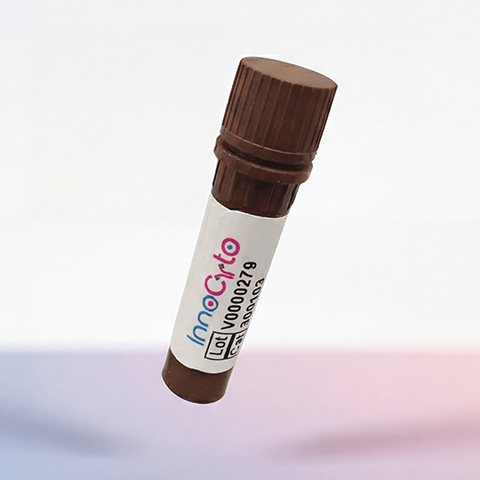
| Product Description | In vivo Grade Recombinant Anti-Human HLA-DR Monoclonal Antibody |
| Isotype | Mouse IgG2a Kappa |
| Antibody Type | Recombinant |
| Regulatory Status | RUO |
| Purity | >95% by reducing SDS-PAGE |
| Endotoxin | < 1 EU per 1 mg of the protein by the LAL method. |
| Storage Conditions | 4ºC |
| Grade | In vivo |
| Recommended Usage | This product is suitable in in vitro functional assays or in vivo on human cells used in animal models. Optimal amounts need to be determined empirically for each experiment. |
| Research Areas | Antigen presentation, Dendritic cells, B cells, monocytes, macrophages, Autoimmunity, Cancer Immunology |
| See All Formats | Clone L243 |
HLA-DR is a major histocompatibility complex (MHC) class II molecule that plays a central role in adaptive immune responses by presenting antigenic peptides to CD4⁺ T helper cells. It is primarily expressed on professional antigen-presenting cells (APCs), including dendritic cells, macrophages, B cells, and thymic epithelial cells, and its expression can be induced on other cell types under inflammatory conditions, particularly by interferon-γ.
Structurally, HLA-DR is a heterodimer composed of an α chain (DRA) and a β chain (DRB), each containing two extracellular domains, a transmembrane region, and a short cytoplasmic tail. The α1 and β1 domains together form the peptide-binding groove, which accommodates peptides typically 13–25 amino acids in length. This groove is open at both ends, allowing for flexibility in peptide size. HLA-DR is highly polymorphic, particularly in the DRB genes, enabling the immune system to present a broad repertoire of antigenic peptides derived from pathogens or self-proteins. The ligands of HLA-DR are processed peptide antigens generated from extracellular or vesicular proteins that are internalized, degraded in endosomal compartments, and loaded onto HLA-DR molecules. Peptide loading is tightly regulated by accessory molecules, including the invariant chain (Ii), which prevents premature peptide binding, and HLA-DM, which facilitates peptide exchange and stabilizes high-affinity peptide–HLA-DR complexes. The primary functional interaction of HLA-DR is with the T cell receptor (TCR) on CD4⁺ T cells, initiating T cell activation and differentiation.
HLA-DR is strongly implicated in disease. Specific HLA-DR alleles are associated with susceptibility or protection in numerous autoimmune diseases, including rheumatoid arthritis, type 1 diabetes, systemic lupus erythematosus, and multiple sclerosis, reflecting differences in self-antigen presentation. Aberrant or reduced HLA-DR expression is also observed in cancer and sepsis, where impaired antigen presentation contributes to immune evasion or immunosuppression. Conversely, elevated HLA-DR expression on monocytes is often used as a marker of immune activation and immune competence.
Therapeutically, HLA-DR has both direct and indirect relevance. Anti-HLA-DR monoclonal antibodies have been explored in transplantation and hematologic malignancies to modulate immune responses or deplete malignant APCs. In cancer immunotherapy and vaccine development, effective antigen presentation via HLA-DR is essential for robust CD4⁺ T cell help, supporting durable antitumor and antiviral immunity. Additionally, HLA-DR expression is widely used as a diagnostic and prognostic biomarker in immunology, oncology, and critical care settings.
In Vivo Star Anti-Human HLA-DR Antibody TDS
Biotin Anti-Human CD14 Antibody, Clone 63D3
PE Anti-Human CD14 Antibody, Clone 63D3
Anti-Human CD14 Antibody, Clone M5E2
iF647 Anti-Human CD14 Antibody, Clone M5E2
Anti-Human HLA-DR Antibody, Clone 1003AB
Have a product or application question? Consult our FAQs or contact us.