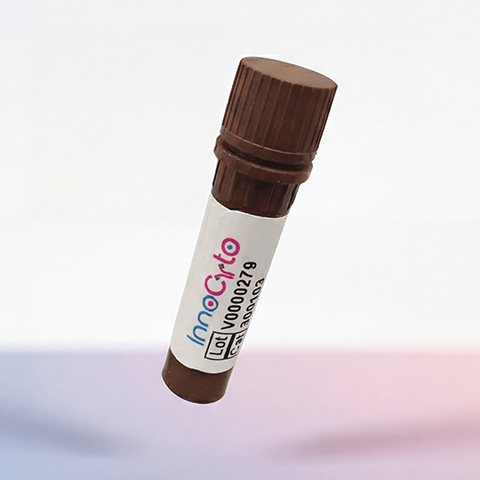
| Cat # | Size | Price | Quantity | |
|---|---|---|---|---|
| 632001 | 20 μg | $320 | ||
| 632002 | 100 μg | $850 |
| Application | Bioassay |
|---|---|
| Format | Lyophilized from sterile PBS, pH 7.4. |
| Expression Host | HEK293 |
| Target Name | G-CSF, Granulocyte-Colony Stimulating Factor, CSF3 |
| Species | Human |
| accession number | NP_757373.1 |
| Sources | A DNA sequence encoding the human CSF3 (NP_757373.1) (Met1-Pro204) was expressed with an initial Met. |
| Molecular Weight | The recombinant human CSF3 consists of 174 amino acids and predicts a molecular mass of 18.7 kDa. it migrates as an approximately 19 kDa band in SDS-PAGE under reducing conditions. The molecular weight of this protein is around 20.2 kDa verified by SEC-MALS(Routinely tested). |
| Affinity Tag | None |
| Purity | ≥ 95 % as determined by SDS-PAGE. ≥ 90 % as determined by SEC-HPLC. ≥ 90 % as determined by SEC-MALS(Routinely tested). |
| Regulatory Status | RUO |
| Endotoxin level | < 0.01 EU per μg protein |
| Protein Concentration | Lyophilized |
| Storage and Handling | Samples are stable for up to twelve months from date of receipt at -20℃ to -80℃. Store it under sterile conditions at -20℃ to -80℃. It is recommended that the protein be aliquoted for optimal storage. Avoid repeated freeze-thaw cycles. |
Human granulocyte colony-stimulating factor (G-CSF), also known as colony-stimulating factor 3 (CSF3), is a glycoprotein cytokine that plays a critical role in the regulation of granulopoiesis, the process by which neutrophils are produced in the bone marrow. G-CSF is produced primarily by endothelial cells, fibroblasts, macrophages, and other immune cells in response to inflammatory stimuli such as interleukin-1 (IL-1), tumor necrosis factor-α (TNF-α), and bacterial endotoxins. By stimulating the proliferation, differentiation, maturation, and survival of neutrophil precursors, G-CSF serves as a key mediator of innate immunity and host defense against bacterial and fungal infections.
Human G-CSF is a 174-amino acid glycoprotein with a molecular weight of approximately 19–25 kDa, depending on glycosylation. The protein adopts a characteristic four α-helical bundle structure typical of the hematopoietic cytokine family. G-CSF exerts its biological activity by binding to a single known receptor, the granulocyte colony-stimulating factor receptor (G-CSFR or CSF3R), a class I cytokine receptor expressed predominantly on neutrophil precursors and mature neutrophils. Ligand binding induces receptor dimerization and activation of intracellular signaling pathways, including JAK/STAT, PI3K/AKT, and MAPK, leading to enhanced neutrophil production and function.
Alterations in G-CSF or G-CSFR signaling have been implicated in several diseases. Inherited mutations in CSF3R can cause severe congenital neutropenia, characterized by impaired neutrophil development and recurrent infections. Acquired CSF3R mutations are also associated with certain hematologic malignancies, including chronic neutrophilic leukemia and atypical chronic myeloid leukemia. In addition, elevated circulating G-CSF levels have been reported in inflammatory disorders, autoimmune diseases, and some solid tumors, where tumor-derived G-CSF may promote tumor progression by recruiting immunosuppressive myeloid cells and enhancing angiogenesis.
G-CSF has important therapeutic applications and is one of the most widely used hematopoietic growth factors in clinical medicine. Recombinant human G-CSF products, including filgrastim, lenograstim, and the long-acting pegfilgrastim, are routinely administered to prevent or treat chemotherapy-induced neutropenia, accelerate neutrophil recovery following hematopoietic stem cell transplantation, and mobilize hematopoietic stem cells into peripheral blood for collection prior to transplantation. These agents significantly reduce the incidence of severe infections and allow patients to maintain optimal chemotherapy dosing. Ongoing research is investigating additional applications of G-CSF in tissue repair, immune modulation, and regenerative medicine, although these uses remain under clinical evaluation.
Recombinant human G-CSF Protein TDS
Have a product or application question? Consult our FAQs or contact us.