| Cat # | Size | Price | Quantity | |
|---|---|---|---|---|
| 500701 | 1 mg | $190 | ||
| 500702 | 5 mg | $750 | ||
| 500703 | 20 mg | $1800 |
| Clone | Avelumab |
|---|---|
| Application | Flow cytometry, animal model study |
| Host Species | Mammalian cells |
| Reactivity | Human |
| Format | Liquid |
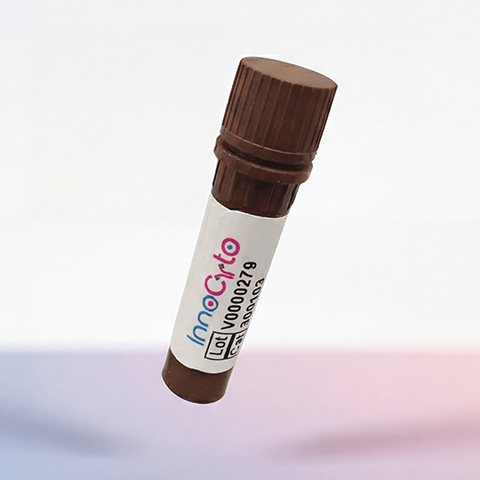
| Product Description | Anti-Human PD-L1 (Avelumab Biosimilar) |
| Isotype | Human IgG1 |
| Regulatory Status | RUO |
| Clonality | Recombinant |
| Immunogen | Human PD-L1 |
| Species specificity | Human |
| Purity | >95% by reducing SDS-PAGE |
| Grade | In vivo |
| Storage Conditions | 4ºC |
| Maximal Shelf Life | 12 months |
| Synonyms | CD274, B7-H1 |
| Target Name | PD-L1, PDL1 CD274, B7-H1 |
| Antibody Type | Recombinant |
| Research Areas | Activated T cells, Activated B cells, Monocytes, Macrophages, Dendritic cells, NK cells, Immune Checkpoints, Cancer Immunology |
| See All Formats | Clone Avelumab |
Avelumab is a fully human monoclonal antibody classified as an immunoglobulin G1 lambda (IgG1λ) isotype. It is produced through recombinant DNA technology using mammalian expression systems, typically Chinese Hamster Ovary (CHO) cells, which ensure proper post-translational folding, glycosylation, and disulfide bond formation. The molecule has an approximate molecular weight of 147 kilodaltons (kDa) and displays the standard Y-shaped antibody structure composed of two identical heavy chains and two identical light chains joined by disulfide linkages. Each heavy chain contains one variable and three constant domains, while each light chain comprises one variable and one constant domain. Together, these domains form two antigen-binding fragments (Fab) and a single crystallizable fragment (Fc) responsible for effector interactions.
Structurally, Avelumab’s antigen-binding regions, specifically its complementarity-determining regions (CDRs) located within the variable domains, confer high specificity toward programmed death-ligand 1 (PD-L1). By binding to PD-L1, the antibody prevents its interaction with programmed death-1 (PD-1) and B7.1 (CD80) receptors on T cells and antigen-presenting cells. This blockade interrupts inhibitory immune signaling and restores the potential for immune cell activation in experimental systems investigating immune checkpoint regulation. Avelumab binds PD-L1 through a high-affinity interaction characterized by extensive hydrogen bonding and shape complementarity, typically reflected by equilibrium dissociation constants in the low-nanomolar range.
Unlike certain other antibodies targeting the same pathway, Avelumab retains an unmodified Fc region, allowing it to mediate immune effector functions such as antibody-dependent cellular cytotoxicity (ADCC) and complement-dependent cytotoxicity (CDC) under suitable assay conditions. The Fc portion also interacts with neonatal Fc receptors (FcRn) to promote recycling and extend the antibody’s half-life in circulation. Overall, Avelumab exemplifies a rationally engineered IgG1 monoclonal antibody, with a structural design optimized for precise antigen recognition, functional stability, and the capacity to engage immune effector mechanisms during molecular and cellular investigations.
Anti-Human PD-L1 (Avelumab Biosimilar) TDS
Anti-Human PD1 (Camrelizumab Biosimilar), Clone Camrelizumab
Anti-Human PD1 (Cemiplimab Biosimilar), Clone Cemiplimab
Anti-Human PD1 (Nivolumab Biosimilar), Clone Nivolumab
Anti-Human PD1 (Pembrolizumab Biosimilar), Clone Pembrolizumab
Human PD-L1 (CD274) Protein (C-His)
Human PD-L1 (CD274) Protein (C-His-Avi)
Biotin Human PD-L1 (CD274) Protein (C-His-Avi)
Anti-Mouse CD274 (PD-L1) Antibody, Clone 10F.9G2
Biotin Anti-Mouse CD274 (PD-L1) Antibody, Clone 10F.9G2
Anti-Human PD-L1 (Atezolizumab Biosimilar), Clone Atezolizuma
Have a product or application question? Consult our FAQs or contact us.